HOW TO BE TRUSTWORTHY
CLIENT
Block Party
ROLE
User Experience Intern
TIMELINE
3 months, shipped Sept 2024
IMPACT
Shipped conversion infrastructure that Block Party still uses
Designing a mobile bridge experience that builds user trust and drives conversions for a desktop web extension.
OVERVIEW
THE CHALLENGE
Mobile users couldn't try a desktop-only product.
Block Party is a browser extension that protects users from online harassment. But when people discovered it through mobile ads, they had no way to experience the product — only read about it. The conversion funnel was leaking at the critical moment between interest and install.
THE SOLUTION
An interactive demo that works on any device.
I designed a mobile-friendly demo that lets users experience Block Party's value before committing — no install required. This bridged the gap between discovery and conversion.
THE IMPACT
- •Created conversion infrastructure that Block Party continues to use for paid acquisition 1+ years post-launch
- •Demos remain featured on company landing page
1
social media
discovery
2
click-through
3
landing page
view
4
hesitation
point
OUR SOLUTION
5
mobile demo
intervention
6
successful
conversion
The mobile demo project solved a key conversion issue for Block Party
PROCESS
From June to August 2024, I led the end-to-end design of Block Party's mobile demo experience. Working directly with the Head of Design, CEO, and Engineering teams, I conducted contextual inquiry (n=5) and moderated usability studies (n=5) to inform UI design, content strategy, and information architecture decisions. My role involved advocating for user perspectives within technical constraints while iteratively prototyping solutions that balanced engineering feasibility with user clarity.
Discovery
Design
Measurement
THE REFRAME
I started with an audit of the growth funnel, and pinpointed a lack of team understanding of the reasons behind its failures. So I proposed a qualitative study to gain insight into how new customers were actually perceiving it. After analyzing the study results, I articulated the key issue to the team: "users don't trust what they can't try." This became the guiding theory in our demo design going forward.
SMART SCOPING
Although Block Party's desktop extension exists for 10+ web platforms, I decided to test out the impact of the demo on conversion channels for two of Block Party's most popular sites: Twitter and X. By scoping the project down I was able to test and prove the impact of the demo before investing company resources into deploying it across all conversion channels. This scoping also ensured project feasibility within tight timelines.
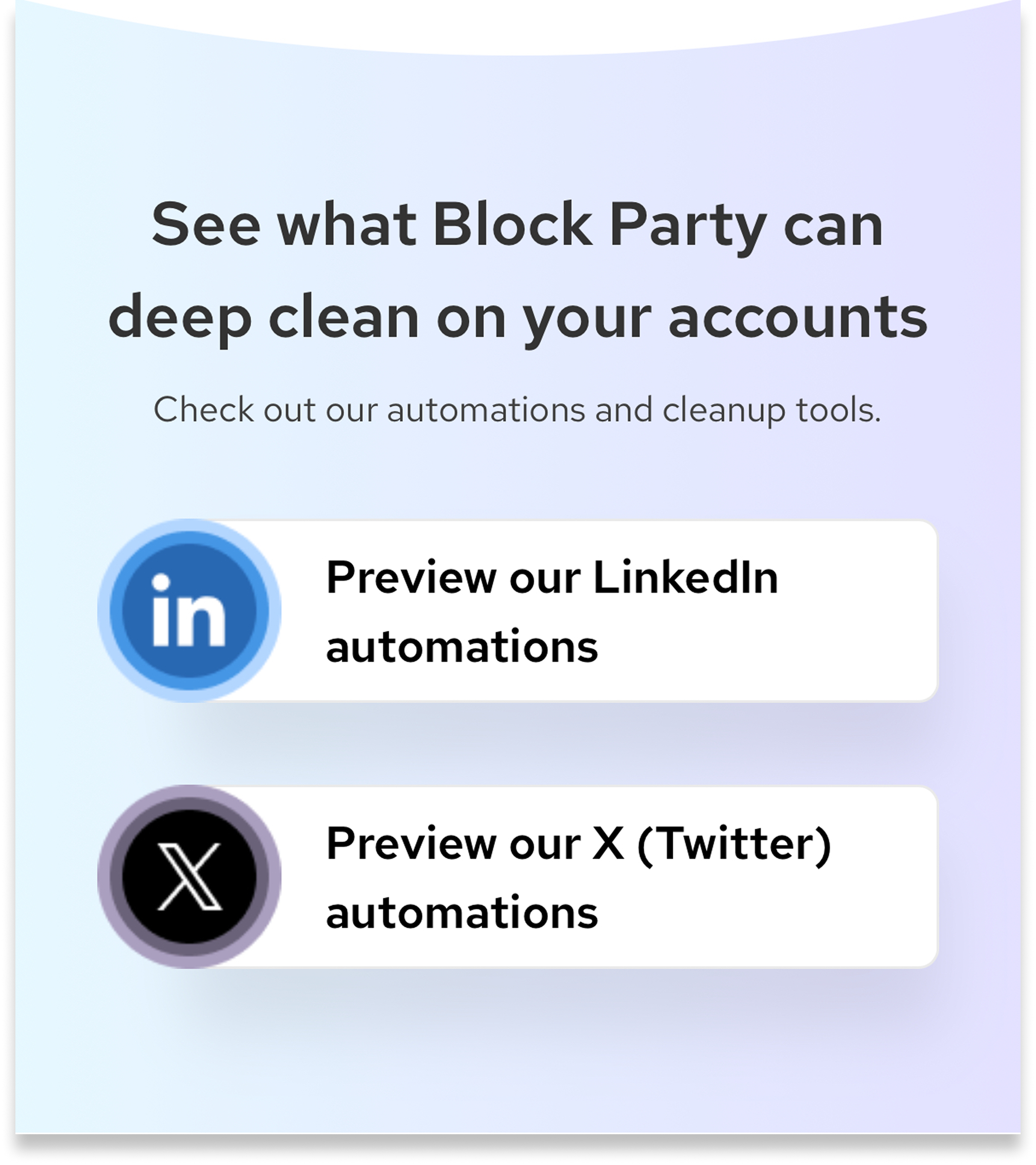
Block Party's landing page has the demos displayed clearly, boosting user comprehension and trust in the product.
Discovery
Design
Measurement
INFORMATION ARCHITECTURE
I began the demo design by constructing its information architecture. I structured the demo flow using engagement data from the extension and ordered the cards in the demo in a way such that high-usage automations would surface first, reducing cognitive load and time to value. Because users could drop off at any point, I placed Install CTAs at multiple moments — including after each automation card — to capture intent whenever it peaked.
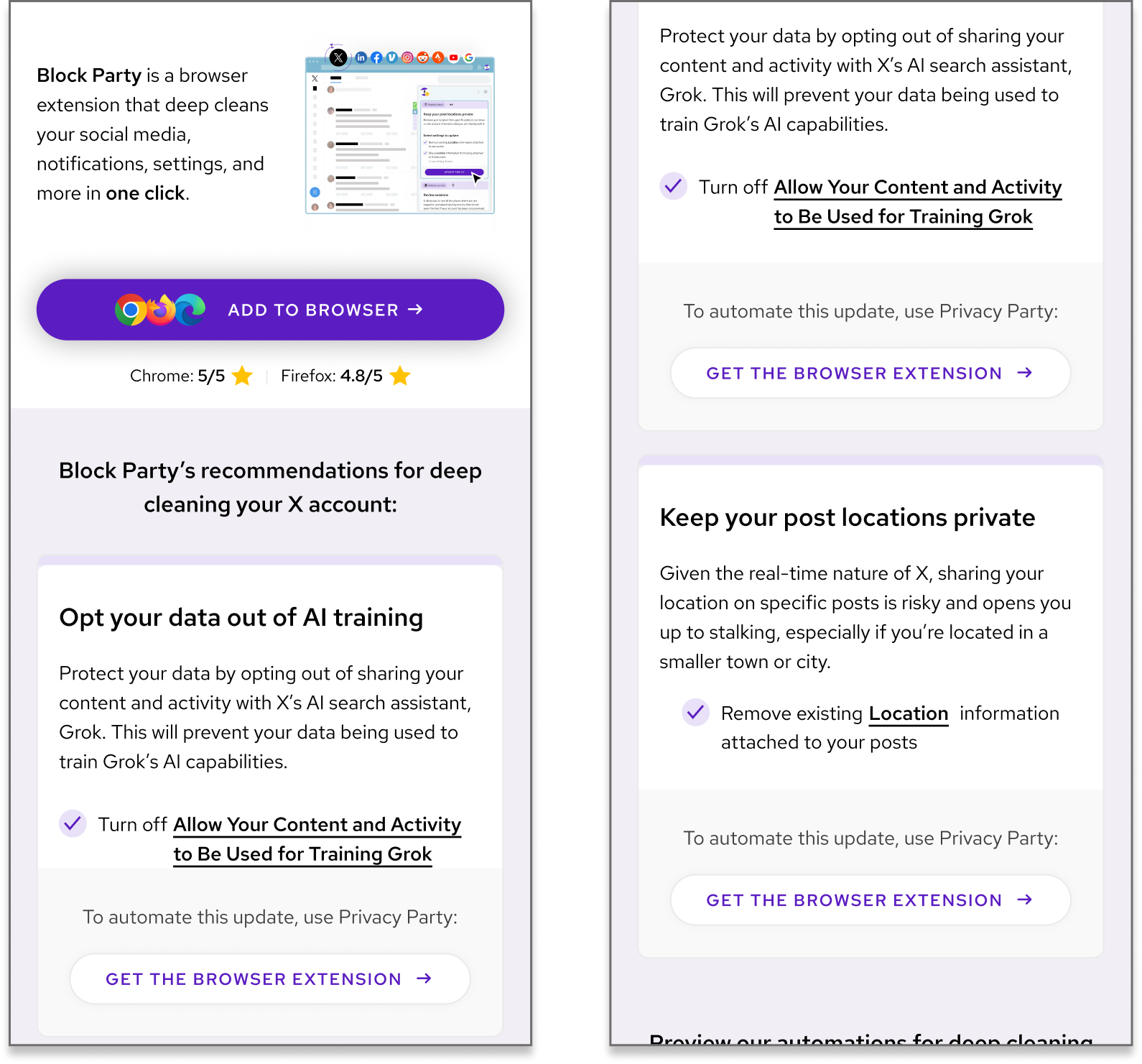
X mobile demo pages, showing information architecture and strategically placed CTAs
UI DESIGN
The team wanted to reuse the extension's existing UI components for the mobile demo to maintain visual fidelity and meet engineering constraints. When I proposed mobile-specific adaptations, engineering pushed back on feasibility. The Head of Design and I tested multiple iterations to show how small UI adjustments could significantly improve comprehension without expanding scope. We reached a hybrid solution: reusing core components with targeted edits that balanced user needs with technical constraints.
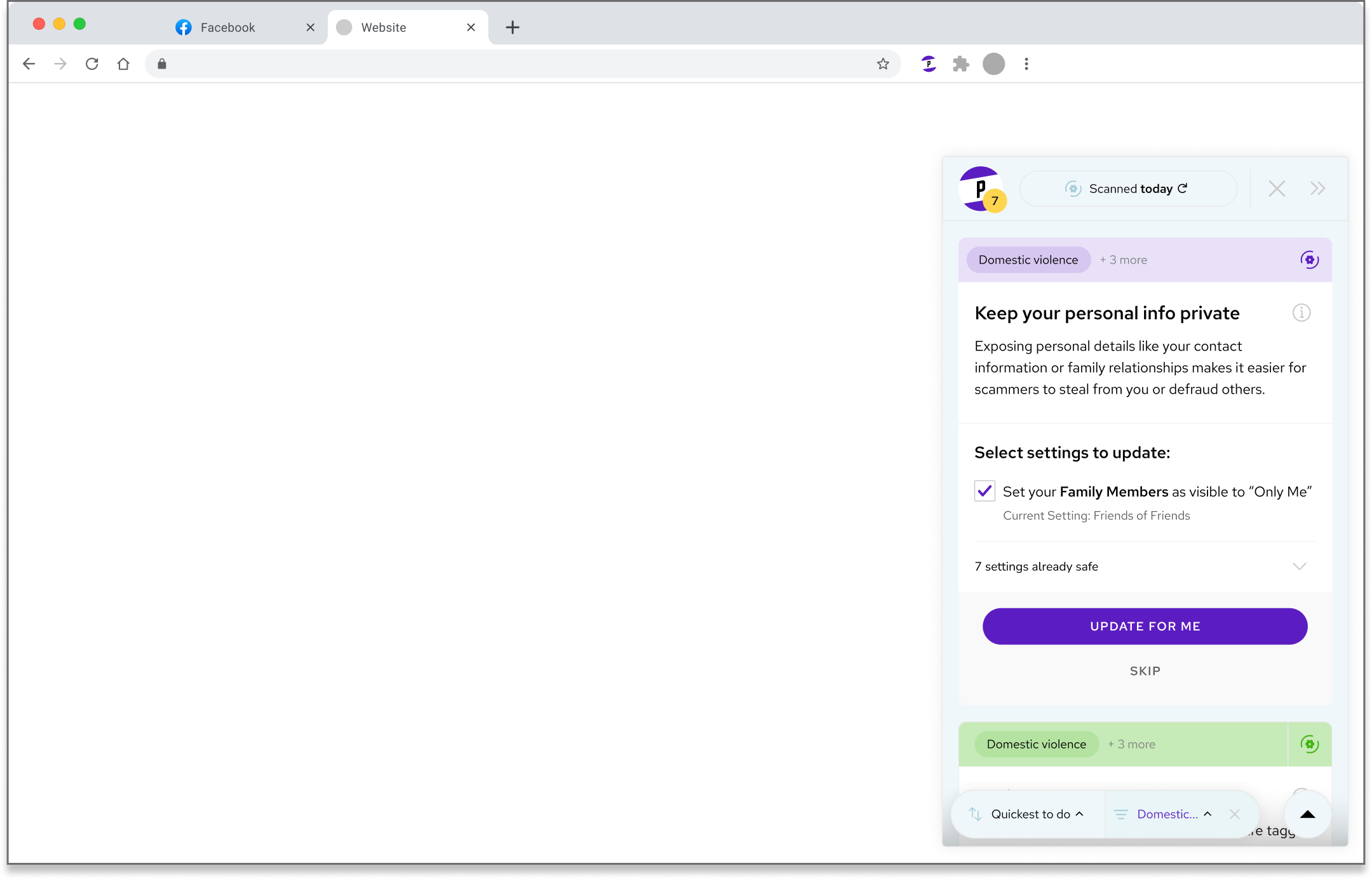
For context: the card component from the extension, which was adapted to the mobile demo
COMPONENT DESIGN
As you can see in the images below, I made two key changes to the cards from the extension to adapt them to a mobile demo context more suitably.
- Replaced "Update for Me" with Download CTA — Since the demo couldn't provide actual automation, the action button needed to clearly set expectations and drive toward install.
- Removed header tags — They added visual noise and increased scroll depth on mobile. Cutting them improved scannability without losing meaning.
These changes improved mobile UX while maintaining feasibility and visual fidelity with the live product.
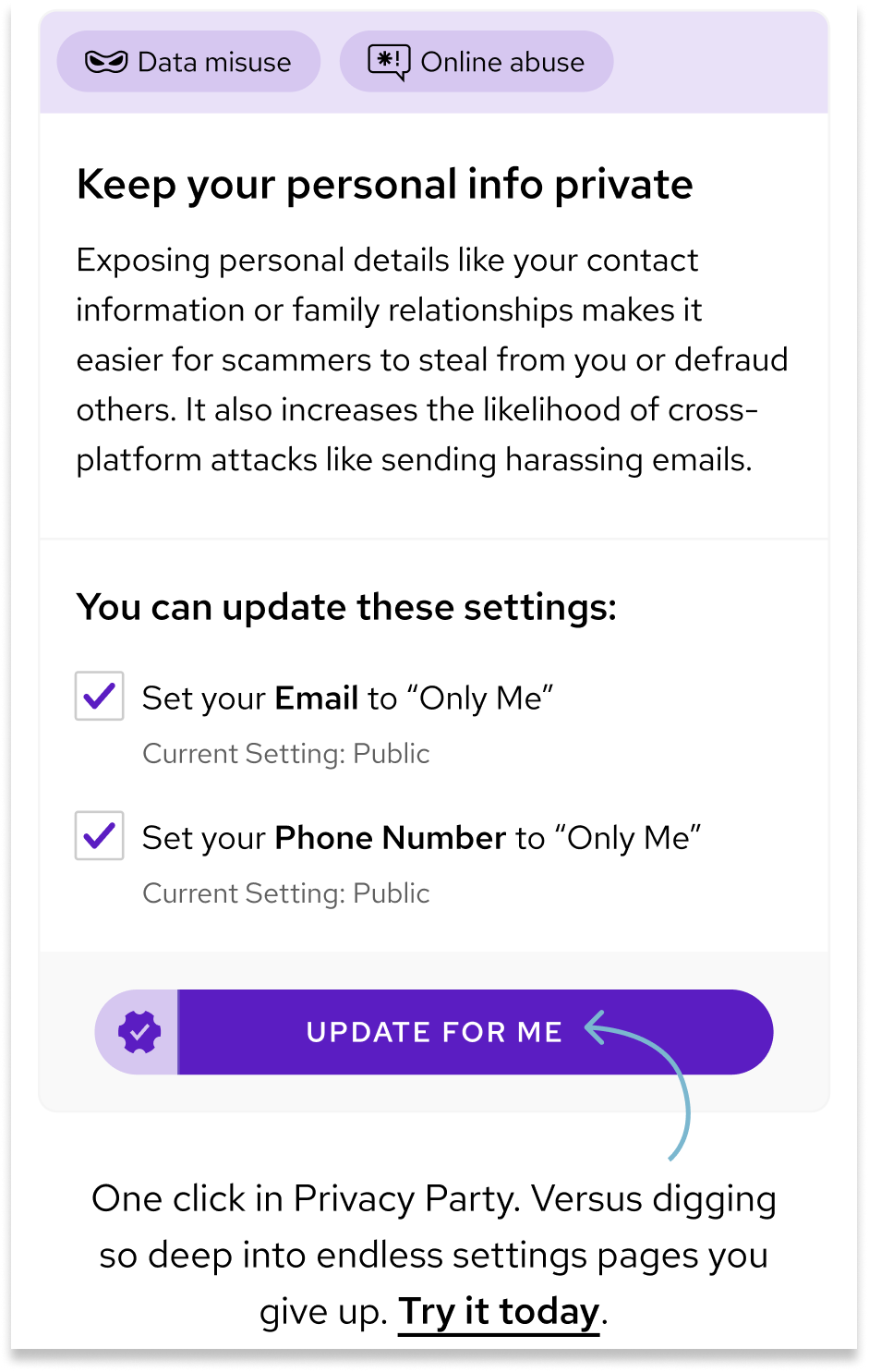
Baseline card (extension-accurate)
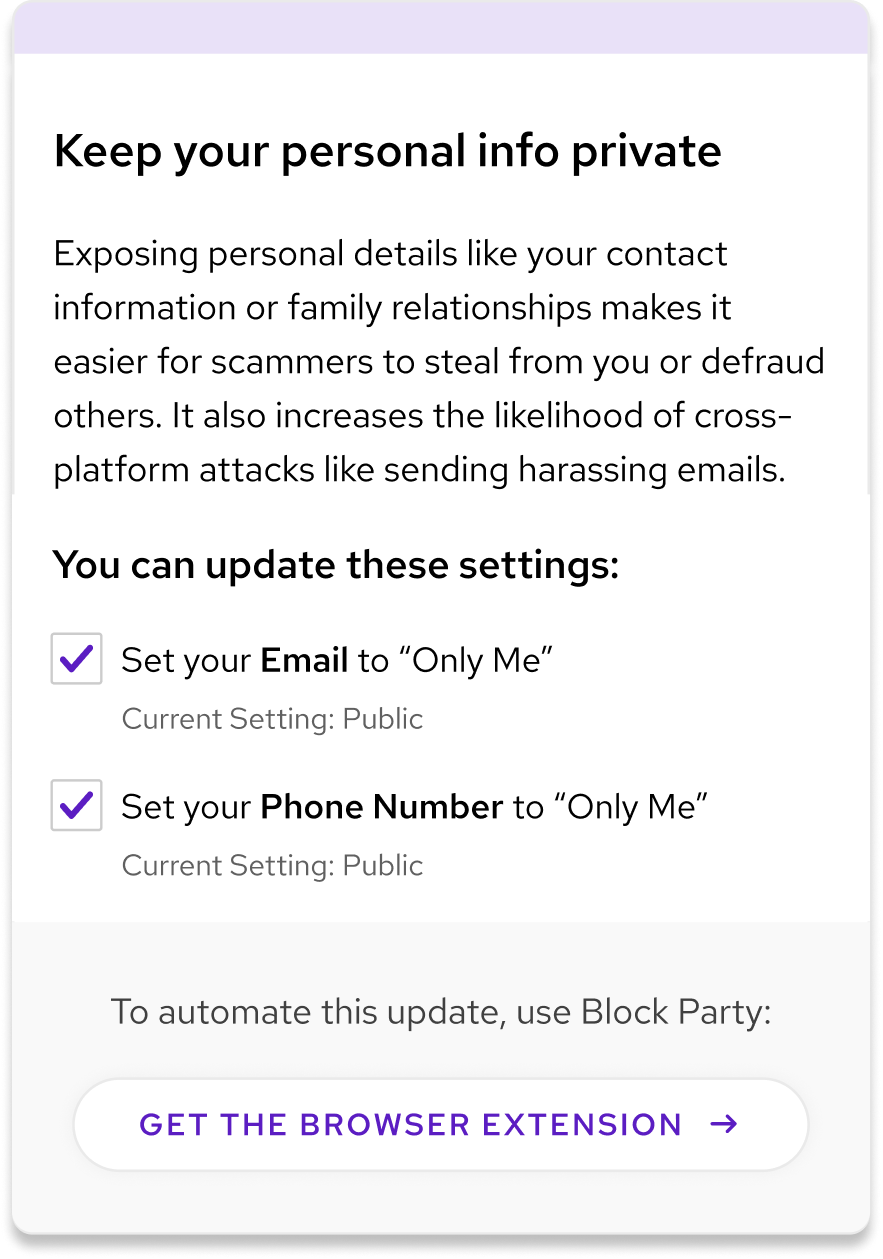
Mobile-adapted card (demo-optimized)
TESTING
At the hi-fi prototype stage, there was brimming confusion on the team as stakeholders held different opinions on content and UI design details. To resolve this, I proposed a rapid user test designed as a contextual inquiry where I would be able to capture live user feedback on the demo, so that we could validate it externally before launch.
This user data successfully served as an arbitrator of our disagreements and provided crucial insight. The overriding insight was this: Users found the recommendations valuable, but hesitated at the hero due to low initial trust. This was the main issue I solved through changes in the next phase of design.
BUILDING TRUST
I made four changes to the hero section to elicit greater levels of user trust, based on user feedback gathered during the contextual inquiry. They are detailed in the table below, as well as depicted in the following screenshot comparison.
| Insight from UXR | Change made | Why it helped |
|---|---|---|
| Header felt click-bait | Softened headline tone | Increased perceived trustworthiness |
| Subheader was skimmed over at a high rate | Removed subheader; redistributed context | Improved site scannability |
| "Clicks saved" metric was confusing | Replaced "Clicks saved" metric with clearer value explanation | Clarified product benefit |
| Participants questioned company credibility | Added Chrome & Firefox ratings near CTA | Reinforced trust at decision point |
Insight from UXR
Header felt click-bait
Change made
Softened headline tone
Why it helped
Increased perceived trustworthiness
Insight from UXR
Subheader was skimmed over at a high rate
Change made
Removed subheader; redistributed context
Why it helped
Improved site scannability
Insight from UXR
"Clicks saved" metric was confusing
Change made
Replaced "Clicks saved" metric with clearer value explanation
Why it helped
Clarified product benefit
Insight from UXR
Participants questioned company credibility
Change made
Added Chrome & Firefox ratings near CTA
Why it helped
Reinforced trust at decision point
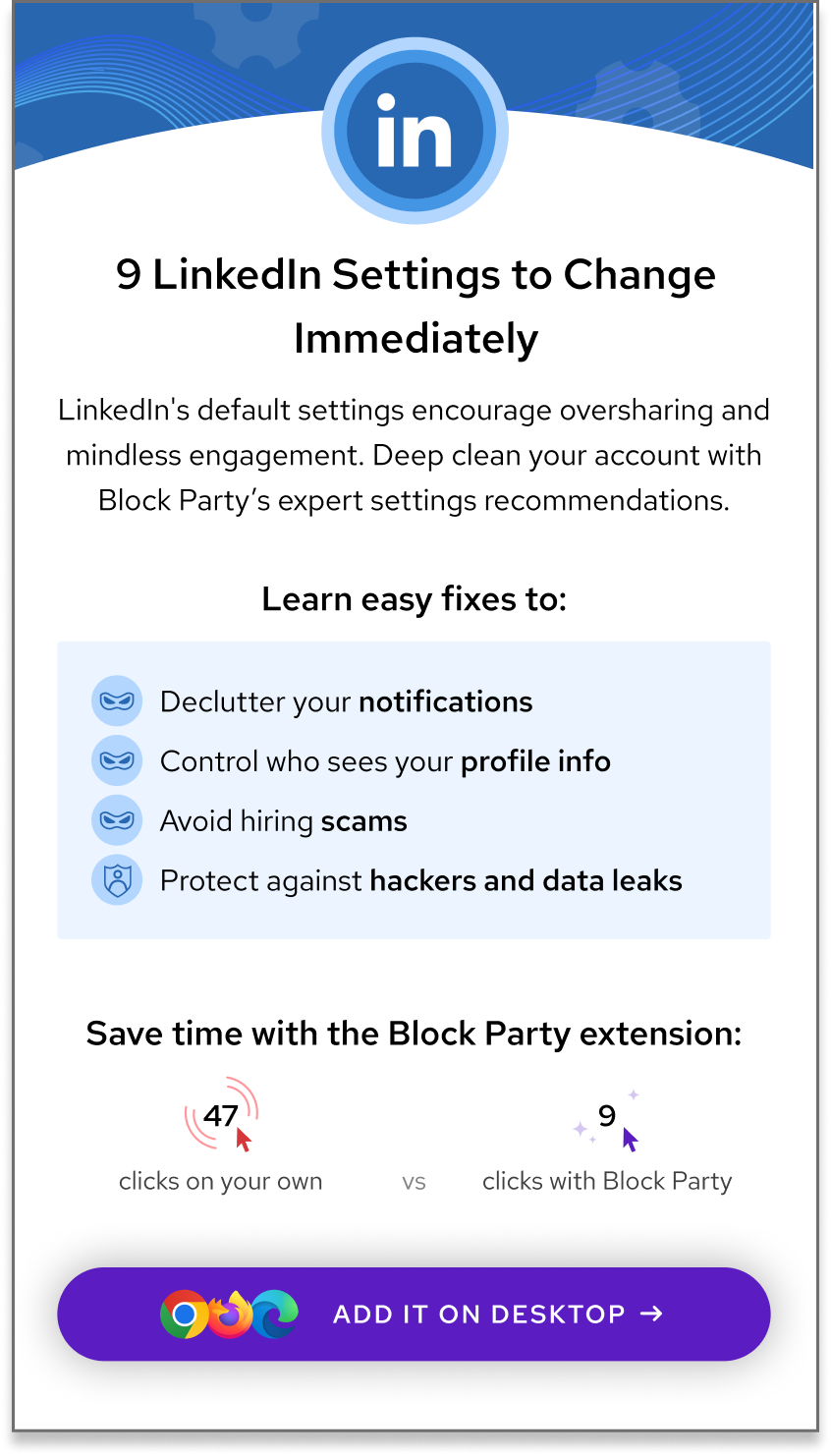
Tested prototype
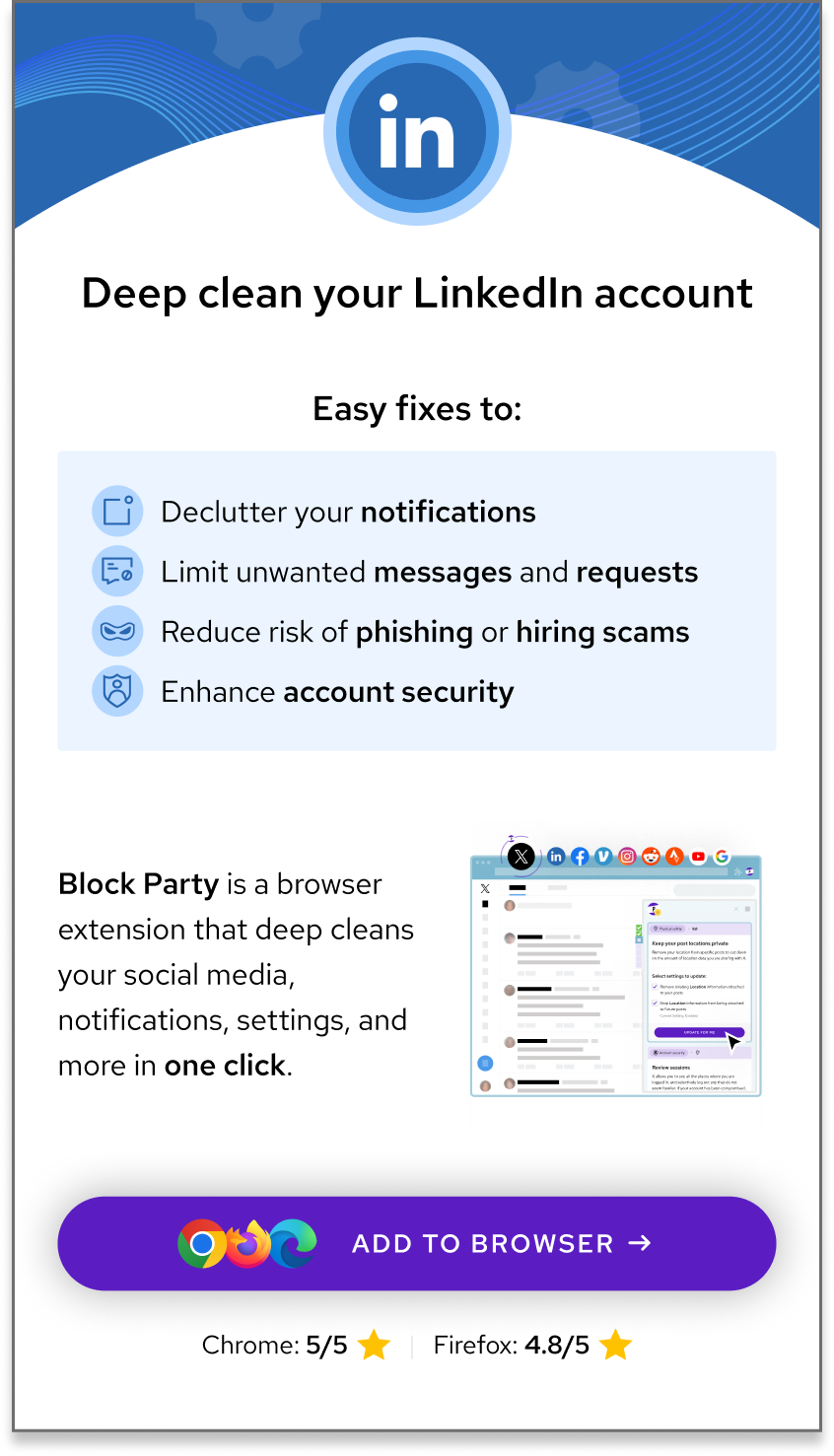
Shipped version, post-UXR feedback
Discovery
Design
Measurement
SUCCESS METRICS
Before launch, I set up analytics tracking in Mixpanel to measure the demo's impact. Defining our primary success metrics forced me to articulate what success would actually look like.
| Metric | Why it matters |
|---|---|
| Install Button Clicks / Page View | Primary conversion metric — the core behavior we were trying to drive |
| Clicks Per Automation Link | Measures relative interest in individual recommendations, helping prioritize future development |
| Clicks Per Install CTA | Reveals where in the user journey people most commonly decide to try the extension — informing CTA placement strategy |
Metric
Install Button Clicks / Page View
Why it matters
Primary conversion metric — the core behavior we were trying to drive
Metric
Clicks Per Automation Link
Why it matters
Measures relative interest in individual recommendations, helping prioritize future development
Metric
Clicks Per Install CTA
Why it matters
Reveals where in the user journey people most commonly decide to try the extension — informing CTA placement strategy
I left the company before we collected enough data to analyze, so quantitative results aren't available, but the measurement infrastructure remains in place.
FINAL SCREENS
RESPONSIVE DEMOS
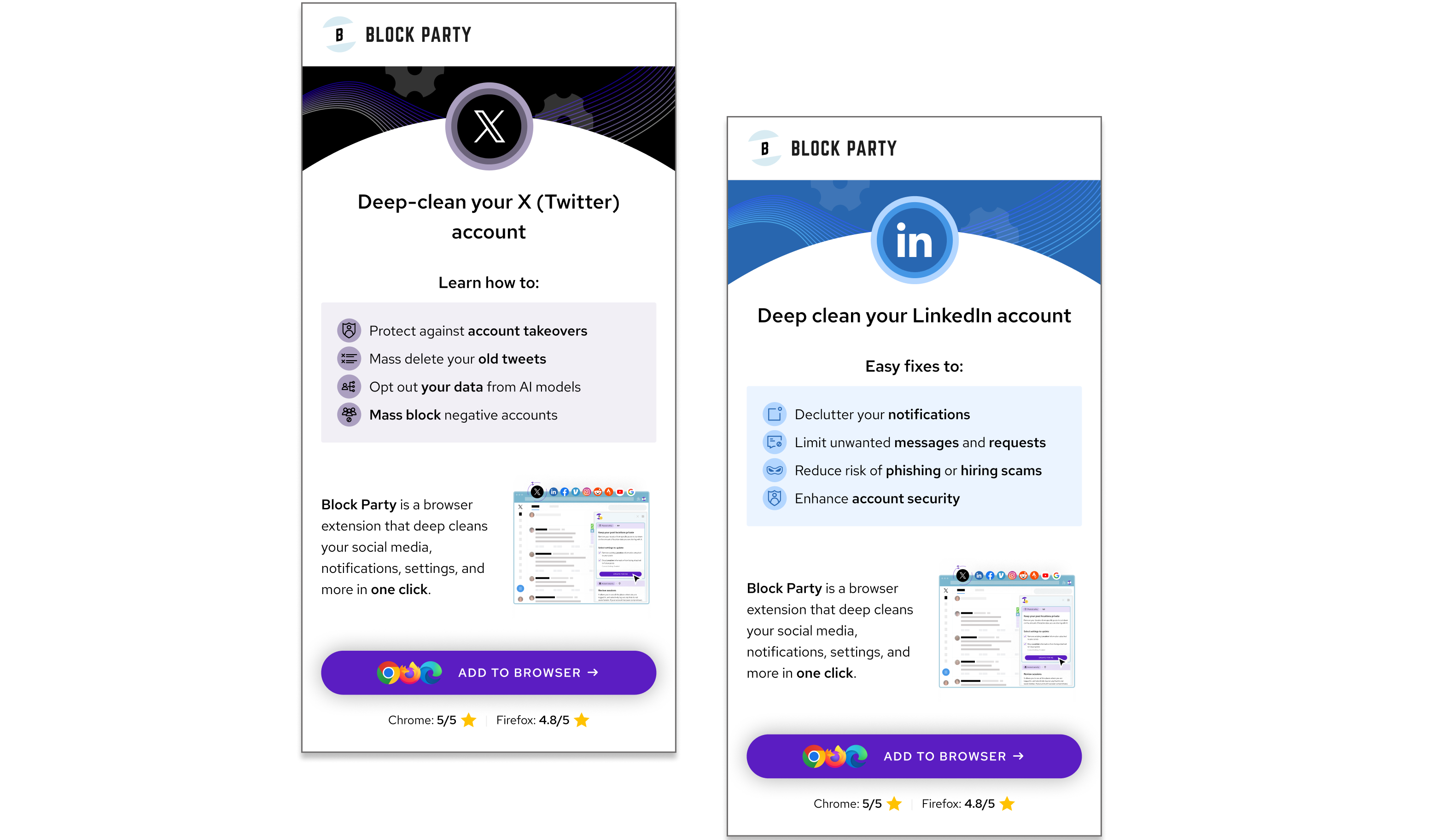
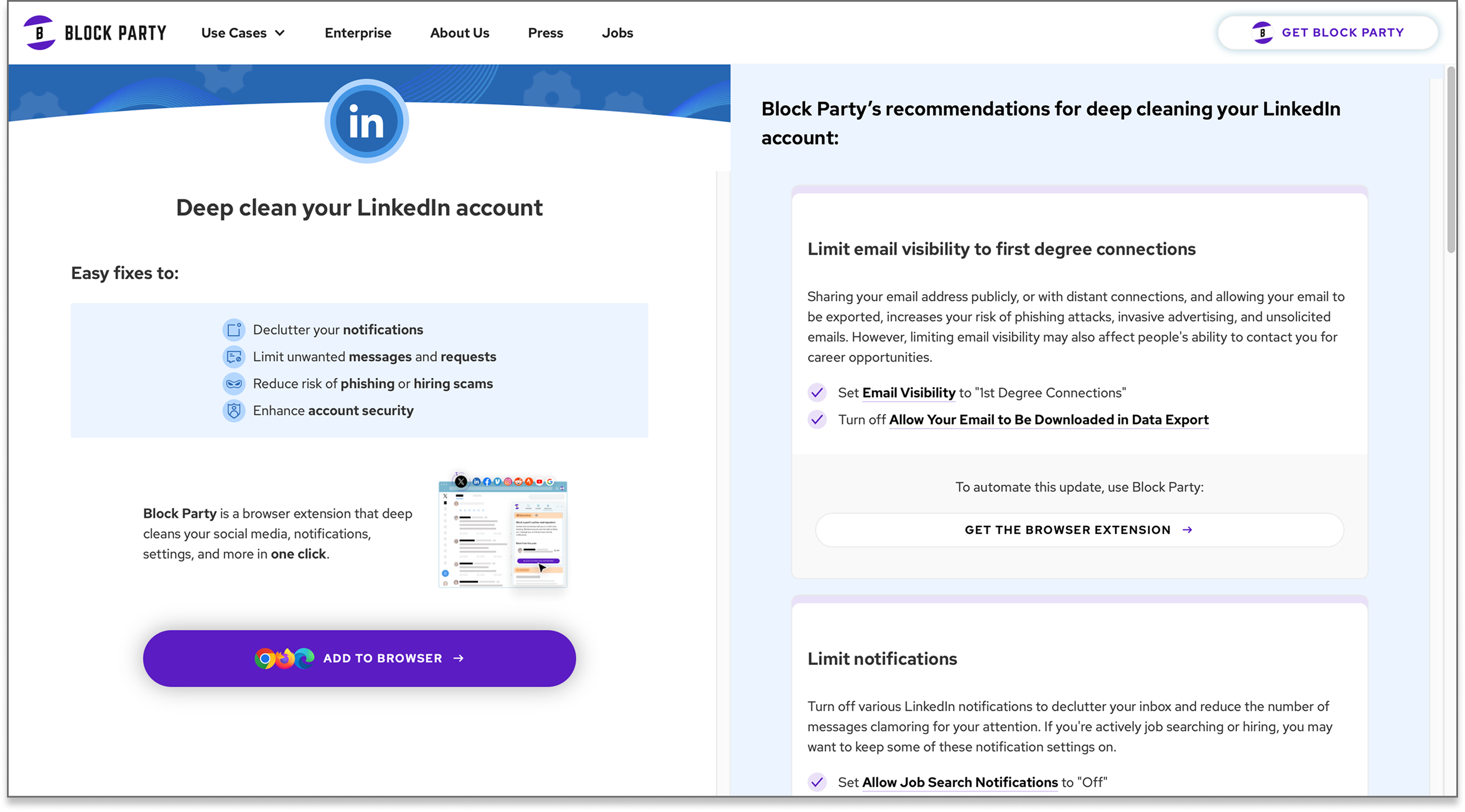
I designed responsive mobile demo playbooks that shipped across mobile, desktop, and tablet in Block Party's LinkedIn and X marketing funnels, and featured on Block Party's landing page.
This project shipped in September 2024 and continues to be used by Block Party today.
1 / 7
At Block Party, I worked with executive-level leadership to scope a business problem and conducted research and data analysis to come up with a quick solution to it in the form of a product demo. I further designed and shipped the demo in 10 weeks. This involved deep stakeholder collaboration, iterative wireframing, information architecture and content and visual design, as well as rapid user research studies to validate my work.
It was a summer of doing and learning, held to the high standards of a startup that was listed among Fast Company's List of Most Innovative Companies right before I joined, and is helmed by Tracy Chou, engineer, activist and Time Woman of the Year 2022, who mentored me that summer. I'm proud that my work has passed the test of time and the Block Party landing page still links to it for users to see Block Party's functionality.